
Gita Jayanti 2026: Date, Mokshada Ekadashi Timings, Puja and Significance
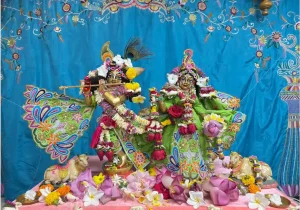
Gita Jayanti is the day on which, according to tradition, Lord Krishna spoke the Bhagavad Gita to Arjuna on the battlefield of Kurukshetra. In 2026, Gita Jayanti falls on Sunday, 20 December, on Margashirsha Shukla Ekadashi. The day is also known as Mokshada Ekadashi, and in 2026 it coincides with Vaikuntha Ekadashi. Devotees mark it by fasting, reading or reciting the Gita, and worshipping Krishna and Vishnu.
When Is Gita Jayanti in 2026?
Gita Jayanti 2026 is on Sunday, 20 December 2026. It is observed on the eleventh day (Ekadashi) of the bright fortnight (Shukla Paksha) of the month of Margashirsha. Because the Ekadashi tithi begins late on Saturday night, the fast and the main observance fall on Sunday. The fast is broken on Monday, 21 December 2026.
Gita Jayanti 2026 Date and Timings
The timings below follow the India (IST) reference used by mainstream panchang publishers. Tithi times shift by a few minutes from city to city, so check a local panchang for your exact timings.
| تہوار | Date and Time (IST) |
|---|---|
| Gita Jayanti | Sunday, 20 December 2026 |
| Hindu date | Margashirsha Shukla Ekadashi |
| Also known as | Mokshada Ekadashi, Vaikuntha Ekadashi (in 2026) |
| Ekadashi tithi begins | 10:09 PM, Saturday, 19 December 2026 |
| Ekadashi tithi ends | 8:14 PM, Sunday, 20 December 2026 |
| Parana (breaking the fast) | Monday, 21 December 2026, in the morning (check a local panchang for the exact window for your city) |
| Dwadashi ends | 5:36 PM, Monday, 21 December 2026 |
What Is Gita Jayanti?
The Bhagavad Gita is a dialogue of 700 verses between Krishna and Arjuna, set just before the Kurukshetra war in the Mahabharata. Arjuna, faced with fighting his own relatives and teachers, is overcome with doubt and grief and refuses to fight. Krishna, his charioteer, answers him with teachings on duty (dharma), selfless action, devotion and knowledge, and Arjuna takes up his duty with a clear mind.
Gita Jayanti marks that teaching, rather than a birth in the usual sense. That is why the day is centred on reading, reciting and discussing the Gita, not on an elaborate festival ritual. The Gita is traditionally dated by scholars to the second or first century BCE as a text, while the traditional observance treats the Kurukshetra dialogue as the origin of the teaching.
The day is also Mokshada Ekadashi, meaning the Ekadashi that grants moksha, or liberation. According to the tradition behind the name, the merit of the fast can be dedicated to ancestors, and the day is linked to the story of King Vaikhanasa, whose father was released from suffering after the king fasted on this Ekadashi and dedicated its merit to him. In South India the same tithi is widely observed as Vaikuntha Ekadashi, the day of the opening of the gates of Vaikuntha, the abode of Vishnu.
How Is Gita Jayanti Observed?
Observance is simple and centred on the text itself. Practices vary by family and temple, and none of them requires an elaborate ritual.
Read or recite the Gita: Many devotees recite all 18 chapters in one sitting, which usually takes four to six hours. Others read selected chapters, such as Chapter 2, or join a group recitation at a temple or at home.
Fast on Ekadashi: Many devotees fast on Sunday, 20 December, following the usual Ekadashi practice of avoiding grains, and break the fast on Monday morning (parana). Some families keep a simpler sattvic fast instead. Follow your family tradition.
Worship Krishna and Vishnu: Offer flowers, Tulsi leaves, incense, lamps and simple prasad such as makhan mishri (butter and rock candy), kheer or fruit to Krishna or Vishnu, and perform aarti after the reading.
Kurukshetra celebrations: Kurukshetra in Haryana, the traditional site of the dialogue, is the main centre of public celebration, with Gita recitations, discourses, deep daan (lamp offerings) at Brahma Sarovar, and processions in the days around Gita Jayanti.
Give a Gita: Distributing copies of the Bhagavad Gita is a common act of devotion on this day, in temples and in community programmes.
Gita Jayanti and the Desi Calendar
In the solar Punjabi calendar, Gita Jayanti 2026 falls in the desi month of پوہ, which begins with Poh Sangrand on Wednesday, 16 December 2026. In the lunar reckoning, it is the Ekadashi of the month of Margashirsha. It sits in a busy December week on this site: see our Tulsi Vivah 2026 guide for the November festival that opens the wedding season, our Dev Deepawali 2026 guide for Kartik Purnima, our Gurpurab 2026 guide, and our Maghar month page for the month before Poh.
Gita Jayanti Dates in Coming Years
| Year | دن | تاریخ |
|---|---|---|
| 2026 | اتوار | 20 December 2026 |
| 2027 | جمعرات | 9 December 2027 |
Note: confirm the 2027 date with a local panchang closer to the time, as regional calendars can differ by a day.
Frequently Asked Questions
When is Gita Jayanti in 2026?
Gita Jayanti 2026 falls on Sunday, 20 December 2026. It is observed on Margashirsha Shukla Ekadashi, also known as Mokshada Ekadashi.
What are the Gita Jayanti 2026 timings?
The Ekadashi tithi runs from 10:09 PM IST on Saturday, 19 December 2026 to 8:14 PM IST on Sunday, 20 December 2026. The fast is broken on Monday, 21 December 2026, in the morning. Check a local panchang for the exact parana window for your city.
What is Gita Jayanti?
Gita Jayanti marks the day on which, according to tradition, Lord Krishna spoke the Bhagavad Gita to Arjuna on the battlefield of Kurukshetra. It is centred on reading, reciting and discussing the Gita.
Is Gita Jayanti the same as Mokshada Ekadashi?
Yes. Gita Jayanti falls on Margashirsha Shukla Ekadashi, which is called Mokshada Ekadashi, the Ekadashi that grants liberation. In 2026 it also coincides with Vaikuntha Ekadashi.
How should Gita Jayanti be observed at home?
Read or recite the Gita, fast on Ekadashi if that is your family practice, worship Krishna or Vishnu with flowers, Tulsi leaves and simple prasad, and break the fast on Monday morning. Group recitation at a temple is also common.
When is Gita Jayanti in 2027?
Gita Jayanti in 2027 falls on Thursday, 9 December 2027. Confirm the date with a local panchang closer to the time.