Monsoon in Punjab: The Season of Rains, Farming, and Festivities 🌧️✨
Imagine the dry, dusty fields of Punjab turning green as the first rains of the monsoon arrive, bringing relief from the scorching summer heat. The monsoon season in Punjab, starting with the month of Harh (mid-June to mid-July), is a time of hard work, celebration, and hope. This season transforms the land, supports farmers, and fills the air with music and prayers. In this article, we’ll explore how the monsoon shapes farming, culture, and life in Indian and Pakistani Punjab, with a special focus on Harh, the month that kicks it all off.
🌧️The Monsoon Season in Punjab
The monsoon in Punjab begins around mid-June, with the month of Harh in the Punjabi calendar, and lasts until September. Harh, from June 15 to July 15, marks the shift from the hot summer month of Jeth to cooler, wetter days. This season is a big deal in Punjab, a region known for its rich farmland split between India and Pakistan. The rains bring life to the fields, making it possible to grow crops that feed millions. Harh is also a time of joy, as people celebrate the rains with festivals and prayers, hoping for a good harvest.
🌾 Farming During the Monsoon in Punjab
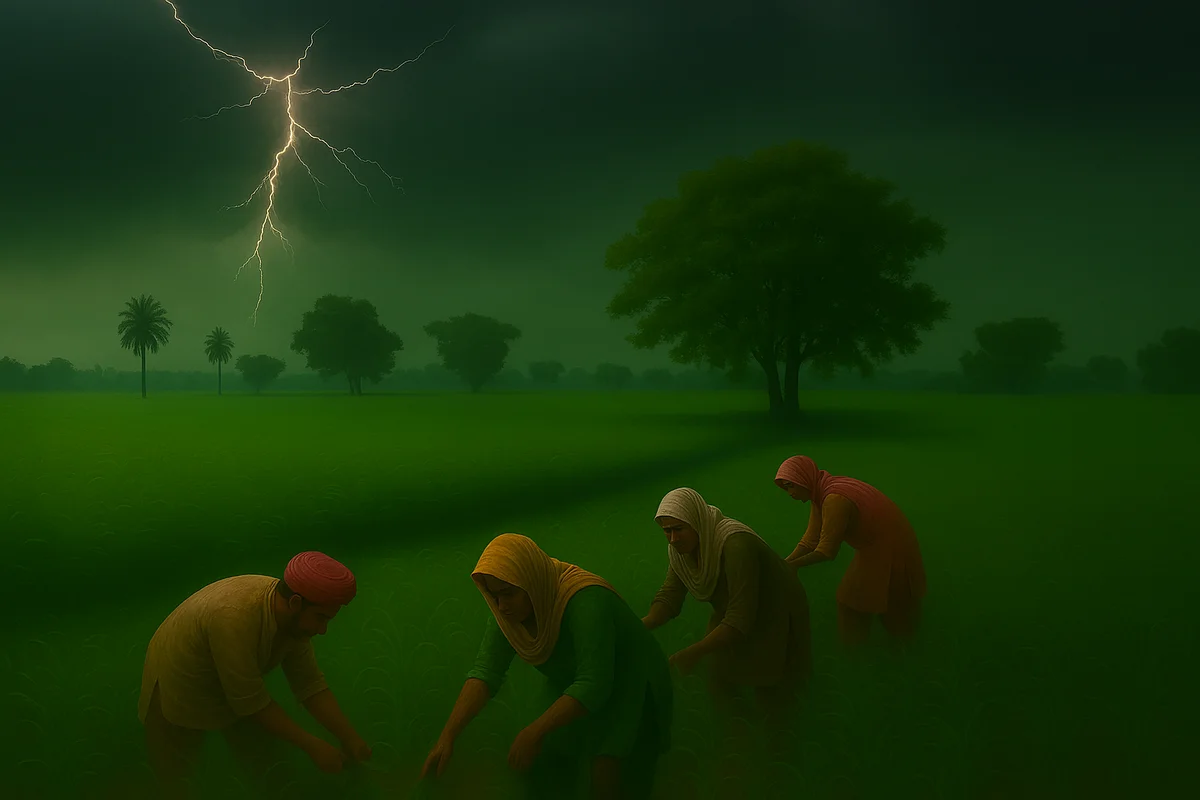
The monsoon is super important for farmers in Punjab because it’s when they plant crops for the Kharif season, which depends on rainwater. In Harh, farmers get busy planting rice (paddy), maize (makai), cotton, and moong beans. The first rains of Harh, called “Harh da pehla paani” (the first water of Harh), soften the soil, making it perfect for sowing seeds. Farmers plow their fields, often using traditional bullocks, and carefully place rice seedlings in the muddy ground, a process called transplanting (Punjabi calendar).
In areas without big canals, these rains are a lifeline. If the rains come on time, crops grow strong, but too much or too little rain can cause problems like flooding or drought. Farmers also perform small rituals, like praying for a good season, to honor the land and ask for blessings. The work done during the monsoon, especially in Harh, sets the stage for a successful harvest later in the year.
🌦️ Monsoon Weather in Punjab
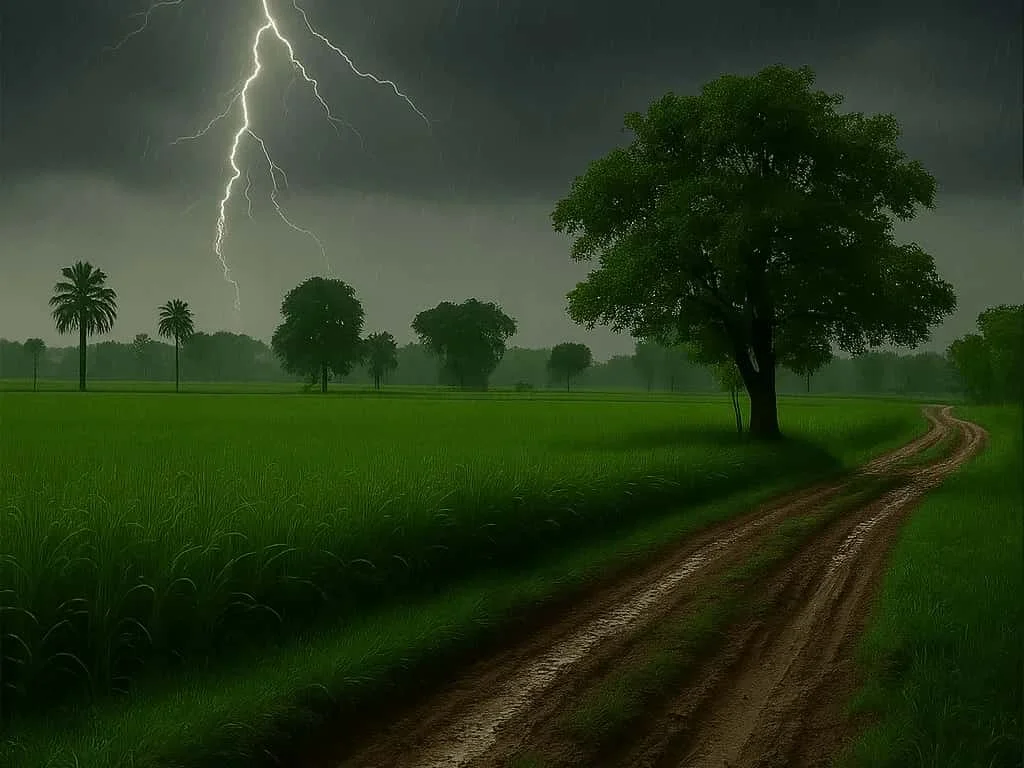
When the monsoon arrives in Punjab, the weather changes dramatically. The hot, dry days of Jeth give way to warm, humid air and frequent rain showers. Harh brings thunderstorms that light up the sky and cool the land. These rains are a relief after the intense heat, but they can also make fields muddy, slowing down travel in villages.
The monsoon weather is both a blessing and a challenge. The rains help crops grow, but too much water can flood fields or damage young plants. In rural areas, muddy paths can make it hard to get around, but the green fields and fresh air make everything feel alive. The monsoon, starting with Harh, is a time when nature shows its power and beauty.
🎉 Cultural Traditions During the Monsoon
The monsoon season brings out Punjab’s vibrant culture, with Harh being a highlight. One of the biggest events is Teej, a festival celebrated by women during Sawan. On Teej, women dress in colorful clothes, put henna (mehndi) on their hands, and sing folk songs called boliyan while dancing Giddha. They pray for a good harvest and happy families, making Teej a time of joy and togetherness.
People also share sayings, like “ਹਾੜ੍ਹੀ ਹਾੜ੍ਹੀ ਕਸਾਂ ਲਾਹੇ, ਜਿਹੜਾ ਵਾਧੂ ਸੁੱਕਾ ਪਾਏ” (Hard work in Harh brings a good harvest). These words remind everyone that effort during the monsoon pays off. Families make clay pots called matkas to keep water cool, and they tell stories and sing lok geet (folk songs) about the rains. Communities often gather at gurdwaras or temples to pray for timely rains, showing their deep connection to nature.
🧕 Women’s Role in the Monsoon Season
Women in Punjab are at the heart of the monsoon season, especially during Harh. In the fields, they work hard transplanting rice seedlings and weeding, which are key to a good crop. These tasks require skill and patience, as women stand in muddy water to place each plant just right. During Teej, women lead the celebrations, wearing bright clothes and singing songs that bring the community together.
They also cook special monsoon dishes like saag (leafy greens), roti, and lassi (yogurt drink), which keep everyone energized. Women pass down traditions, teaching younger girls about songs, dances, and the importance of the monsoon. Their work and spirit make the season special.
🛕 Religious Observances During the Monsoon
The monsoon season, particularly Harh, is a sacred time for Sikhs in Punjab. On 2 Harh, Sikhs honor the martyrdom of Guru Arjan Dev Ji, the fifth Sikh Guru, with prayers and langar (community meals) at gurdwaras. On 21 Harh, they celebrate the birth of Guru Hargobind Ji, the sixth Guru, with kirtan (hymns) and gatherings (Sikh Events).
These events bring people together to reflect on their faith. In rural gurdwaras, people recite Sukhmani Sahib, a prayer for peace, and perform Aarti. The monsoon’s rains are seen as a blessing, and these observances strengthen the community’s spiritual bond.
🧠 The Monsoon’s Lasting Importance
The monsoon season, starting with Harh, remains a cornerstone of life in Punjab. It supports farmers by watering crops, fills the air with music and dance, and brings communities together through faith. Even in cities, people are rediscovering the Punjabi calendar and its traditions, like Teej and folk songs. The monsoon carries Punjab’s history and wisdom, reminding everyone to respect nature.
As Punjab faces challenges like changing weather patterns, the lessons of the monsoon—working with the land and celebrating together—are more important than ever. A Punjabi saying sums it up: “Harh di barsaat, dil di saafai” (The rains of Harh clean the heart). So, next time the monsoon rains fall, think about Punjab’s vibrant season and explore its rich traditions!