Pakistan Independence Day 2025: Date, History, and Celebrations
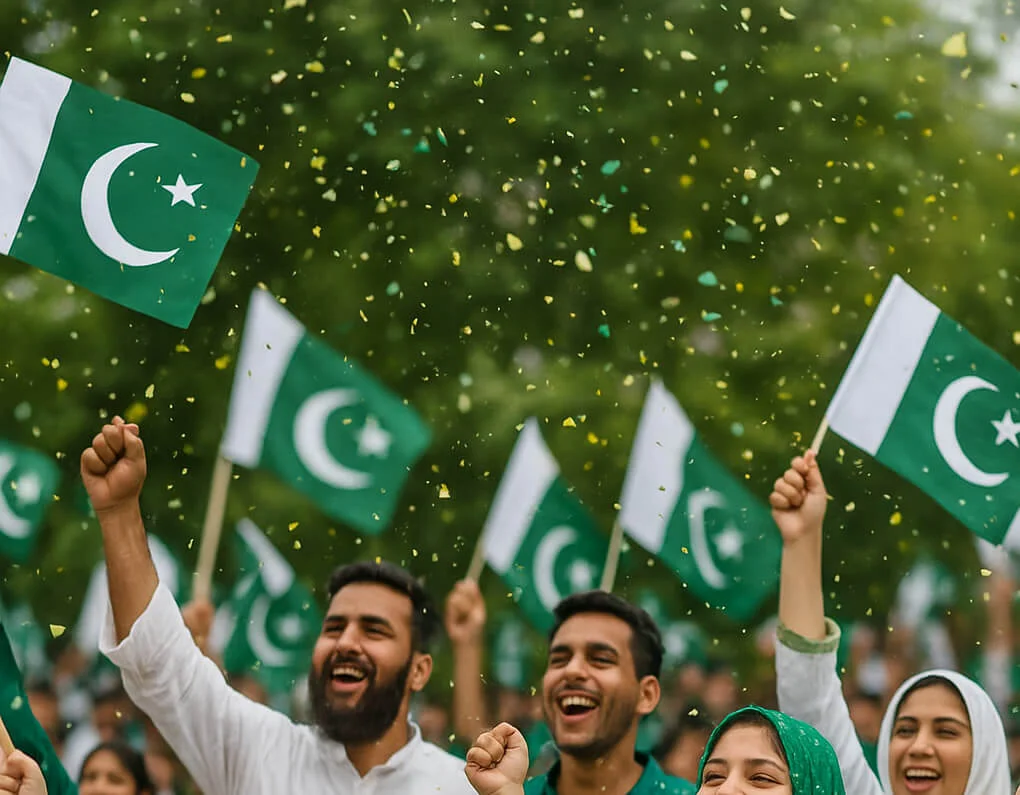
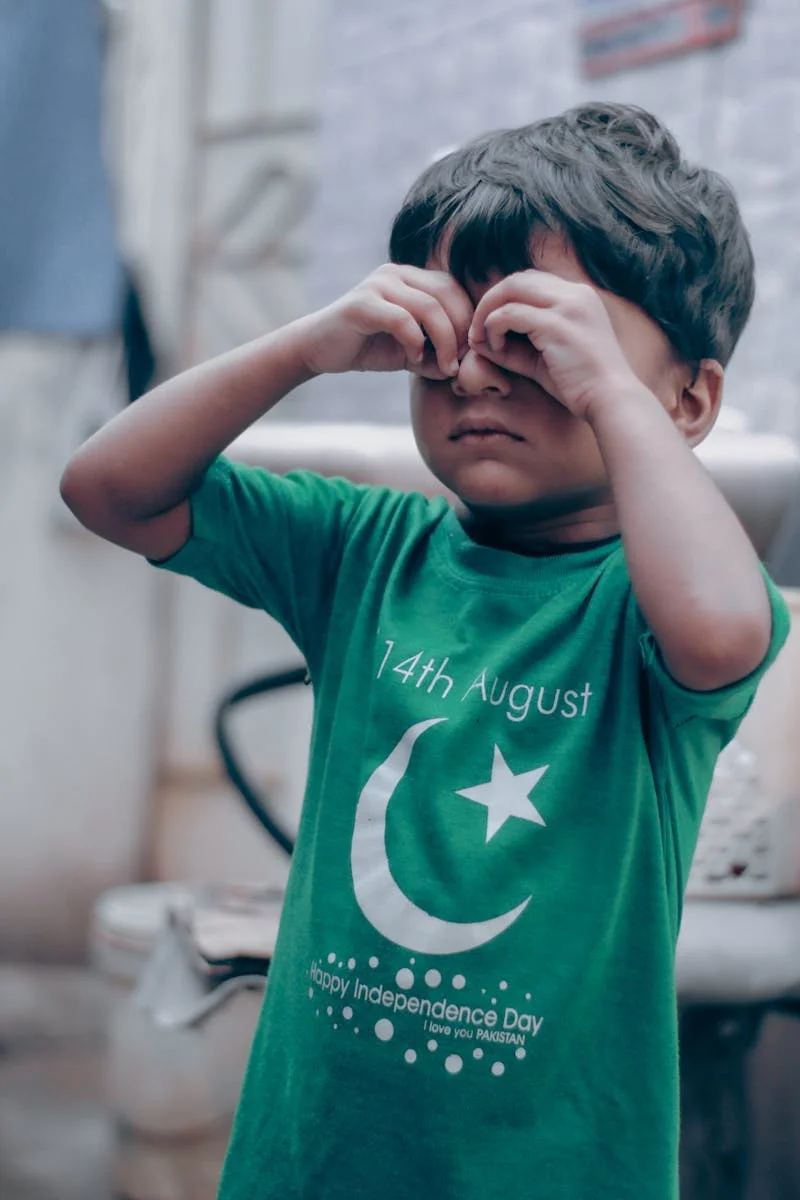
Every year on August 14th, the air in Pakistan fills with a special kind of energy. Streets are decorated with green and white flags, patriotic songs are heard everywhere, and a deep sense of national pride is shared by all.
This is Pakistan’s Independence Day, or Youm-e-Azadi, a day to remember the historic moment in 1947 when Pakistan was born as a sovereign nation. In 2025, Pakistan’s Independence Day will fall on Thursday, 14 August – which corresponds to 30 Sawan, 2082 BS in the Desi calendar.
Historical Background
The journey to independence was long and filled with sacrifice. For decades, Muslims in British India felt the need for a separate homeland where they could live according to their faith and culture. This idea was given a clear voice in 1940 with the Pakistan Resolution (Qarardad-e-Pakistan) in Lahore, which formally called for the creation of Pakistan. Led by Muhammad Ali Jinnah, the movement gained momentum, and after years of struggle, the Indian subcontinent was partitioned in 1947, creating the independent state of Pakistan.
How Independence Day is Celebrated
Celebrations for the 14th of August are vibrant and heartfelt across the nation.
Decorations: Buildings, streets, and famous landmarks like Minar-e-Pakistan in Lahore are beautifully illuminated in green and white lights, creating a spectacular sight at night.
Flag Hoisting: The day begins with special prayers and a 31-gun salute in the capital, Islamabad. The national flag is hoisted at the Presidential and Parliament buildings, as well as on homes and businesses across the country.
Parades and Events: Military parades showcase the nation’s strength, while schools and colleges hold cultural programs with patriotic songs, speeches, and plays.
Cultural Connection
In the Desi month calendar, 30 Sawan often comes during the rainy season. Villages in Punjab and Sindh enjoy cooler evenings in August, which makes outdoor celebrations even more fun. People in rural areas may also celebrate with traditional food like samosas, pakoras, and mithai.
Lessons for the Young Generation
Independence Day is not just about fun. It is a reminder of:
- Working hard for the country’s progress
- Respecting freedom
- Being united as one nation
Schools hold speeches, essay competitions, and drawing contests to teach children about the meaning of independence.
Upcoming Pakistan Independence Days
| Gregorian Year | Gregorian Date | Desi Month |
|---|---|---|
| 2025 | 14 August 2025 | 30 Sawan 2082 |
| 2026 | 14 August 2026 | 30 Sawan 2083 |
| 2027 | 14 August 2027 | 1 Bhadun 2084 |
| 2028 | 14 August 2028 | 1 Bhadun 2085 |
| 2029 | 14 August 2029 | 1 Bhadun 2086 |
Conclusion
Pakistan’s Independence Day is more than just a holiday; it is a powerful reminder of the vision, struggle, and sacrifices that led to the nation’s birth. It is a day for all citizens to come together, celebrate their shared identity and heritage, and look forward to a future of progress, peace, and unity.